Understanding Hanna's Childhood, Triangulation, and the Lasting Cost of Family Roles
The Lies We Whisper opens with Hanna reflecting on her childhood. It isn't quite a journal entry. It's a memory. A realization.
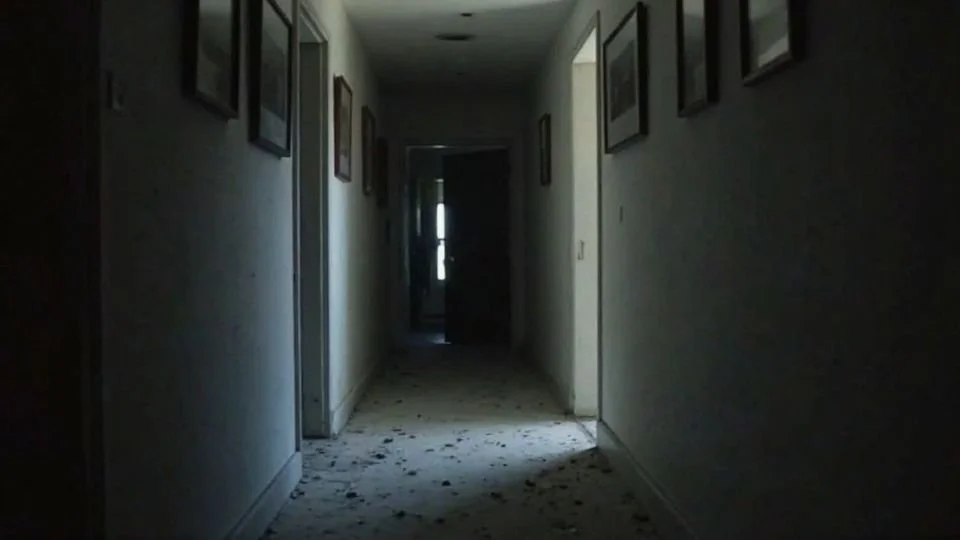
“Before the scream, there was silence.”
For someone who has never lived through abuse, silence sounds peaceful. For someone who has...silence is the waiting. It's walking on eggshells. It's listening for footsteps. It's learning to read the mood in a room before a single word is spoken.To the outside world, nothing is happening. To the child living inside that home, everything is happening.
That was Hanna's childhood. She grew up believing abuse was normal. She was the family scapegoat, while her brother Kevin became the favored child. In dysfunctional families, this dynamic is often described as triangulation—a pattern where children are assigned roles instead of being allowed to simply be children.
The favored child and the scapegoated child are both harmed, but in different ways. One learns that love depends on staying in the parent's good graces. The other grows up believing they are never enough. Over time, the children begin to see each other as the problem instead of recognizing the family system that placed them in those roles.
The greatest casualty is often the sibling relationship. Instead of becoming allies, they become strangers. Sometimes they compete for approval. Sometimes one walks away entirely—not because they don't love their sibling, but because distance becomes the only way to preserve peace. They begin to believe that peace can only be found on their own, so they learn to rely on themselves rather than trusting others. What once began as survival eventually becomes the only way they know how to live.
That was Hanna and Kevin.
There was no hatred between them. Only years of misunderstanding, silence, and a relationship shaped long before either of them had a choice. The extended family often assumes the sibling who keeps their distance simply doesn't care. What they rarely see is that the distance isn't born from indifference. It's born from survival.
The Lies We Whisper is fiction, but the family dynamics portrayed in the novel are real for many people. Homes affected by addiction, untreated trauma, emotional immaturity, or unresolved pain can leave children carrying wounds that last well into adulthood.
The tragedy isn't simply what happens inside those homes. It's how long the echoes remain after the children have grown.
To those who have walked this road, my heart is with you. It isn't an easy path, especially once you've finally found peace. Protect that peace, but don't let it harden your heart.
Hold on to the love that remains.
The roles you were taught as children do not have to define the rest of your life. Healing isn't easy, and it doesn't happen overnight, but the lessons we learned in survival don't have to be the lessons we carry forever.
And if reconciliation is never possible, let love remain where it can. Because at the end of the day, love is stronger than bitterness, stronger than resentment, and stronger than the wounds that tried to divide us.
Remember this: Children should never have to compete for the love that should have been freely given.
Hanna's story may be fictional, but the emotions behind it are real for many people. My hope has always been that The Lies We Whisper doesn't just tell a suspense story—it reminds readers that healing is possible, that peace is worth protecting, and that the roles assigned to us as children do not have to define who we become.